
Mild Cognitive Impairment (MCI) is a condition that affects memory and cognitive abilities more than typical age-related changes, but not severely enough to interfere with daily life.
Stuttering (التأتأة), also known as stammering (التلعثم), is a speech disorder (اضطراب في النطق) that causes interruptions in the flow of speech, such as repetitions, prolongations, or blocks of sounds, words, or phrases. It can affect both adults and children and is not a reflection of intelligence. If you or a loved one are experiencing […]
Difficulties in motor skills disturb a child’s coordination and affect age-appropriate milestones.
Children with anxiety disorders suffer from a mental health condition characterized by an excessive fear and worry about the present and the future.
Family therapy targets communication in order to solve family problems and create a healthy, functioning home environment.
Couple therapy aims to open channels of communication, generate respect for individual differences and enable both individuals to take up responsibilities.
A Mood disorder is defined by extreme happiness, extreme sadness, or both for an extended period of time.
Eating Disorders are issues related to distressing thoughts and behavior around body weight or shape, leading to unhealthy eating habits or obsession with food.
Addiction is defined by an attachment to a substance or a situation that creates a rewarding experience despite adverse consequences.
Addiction is defined by an attachment to a substance or a situation that creates a rewarding experience despite adverse consequences.
Sleep disorders affects the child’s sleeping pattern, interfering with the required amount of sleep.
Sleep disorders affects the person’s sleeping pattern, interfering with the required amount of sleep.
PTSD is a psychiatric disorder that occurs in people who went through traumatic events that affects the mental wellbeing.
Following a traumatic event, a person may develop an Acute Stress Disorder (ASD).
A person with OCD suffers from an obsessive thought process or sensation creating an urge to make compulsive repeated actions.
Anxiety is a mental health condition characterized by an excessive fear and worry about the present and the future.
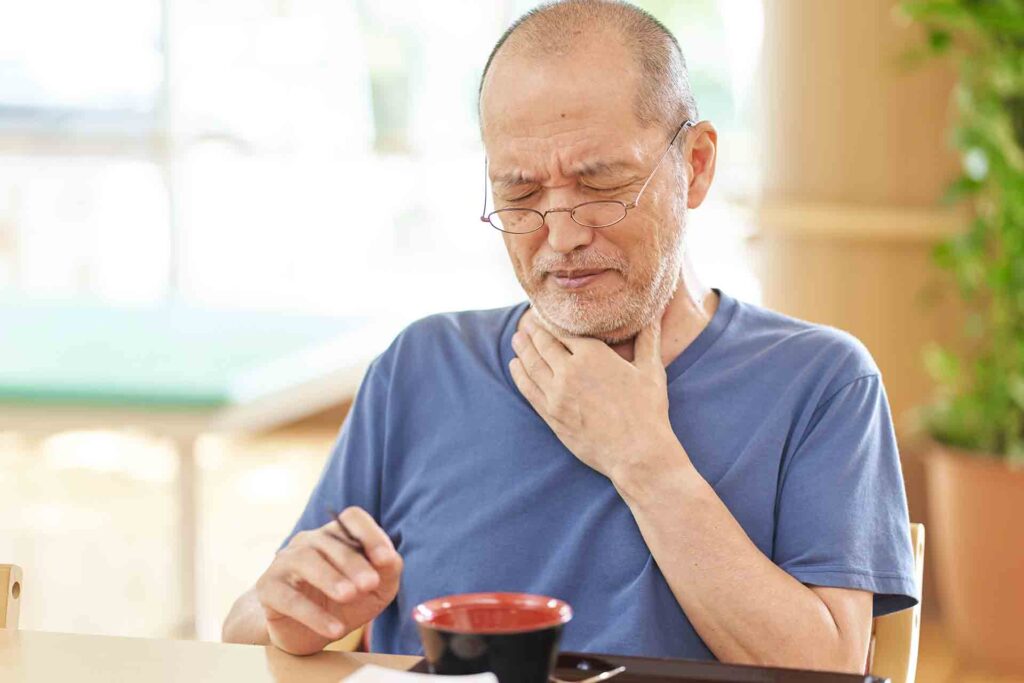
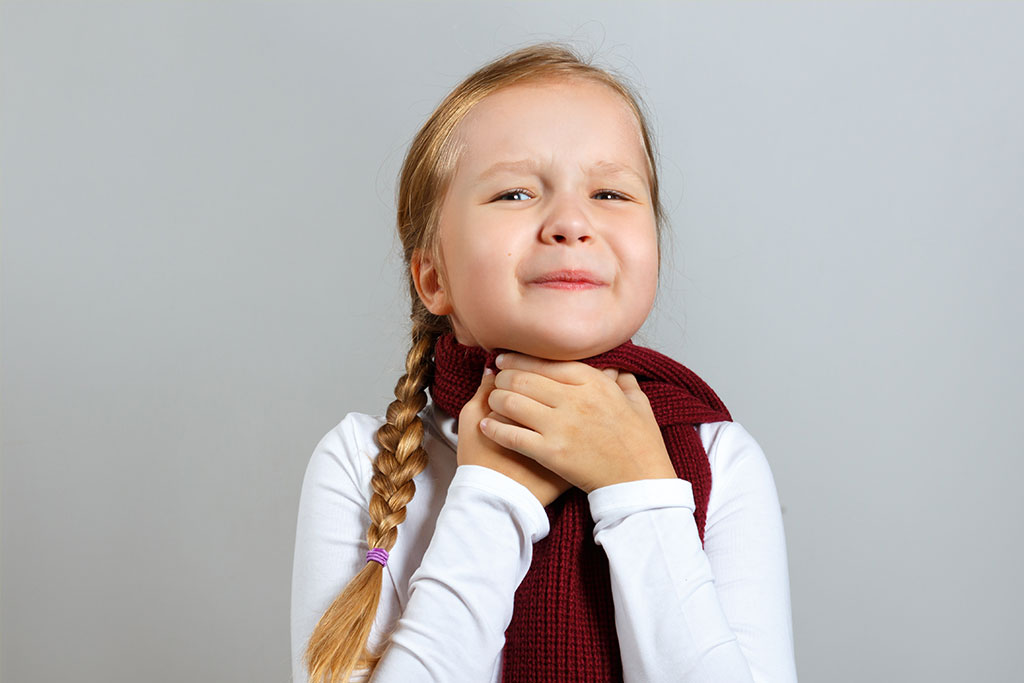
Swallowing Disorder or dysphagia is any form of discomfort and difficulty in the normal swallowing process of food and liquid.
Swallowing Disorder or dysphagia is any form of discomfort and difficulty in the normal swallowing process of food and liquid.
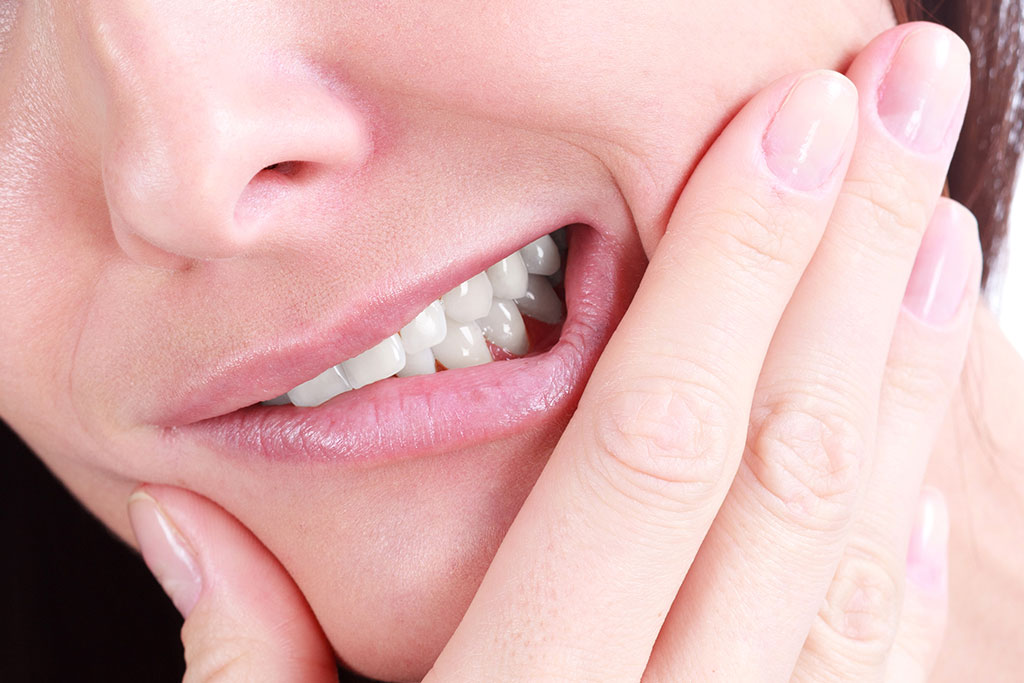
Orofacial myofunctional disorders disturb the tongue position during rest, swallowing, and speech.
Orofacial myofunctional disorders disturb the tongue position during rest, swallowing, and speech.
A voice disorder is a vocal discomfort that affects the quality of the voice.
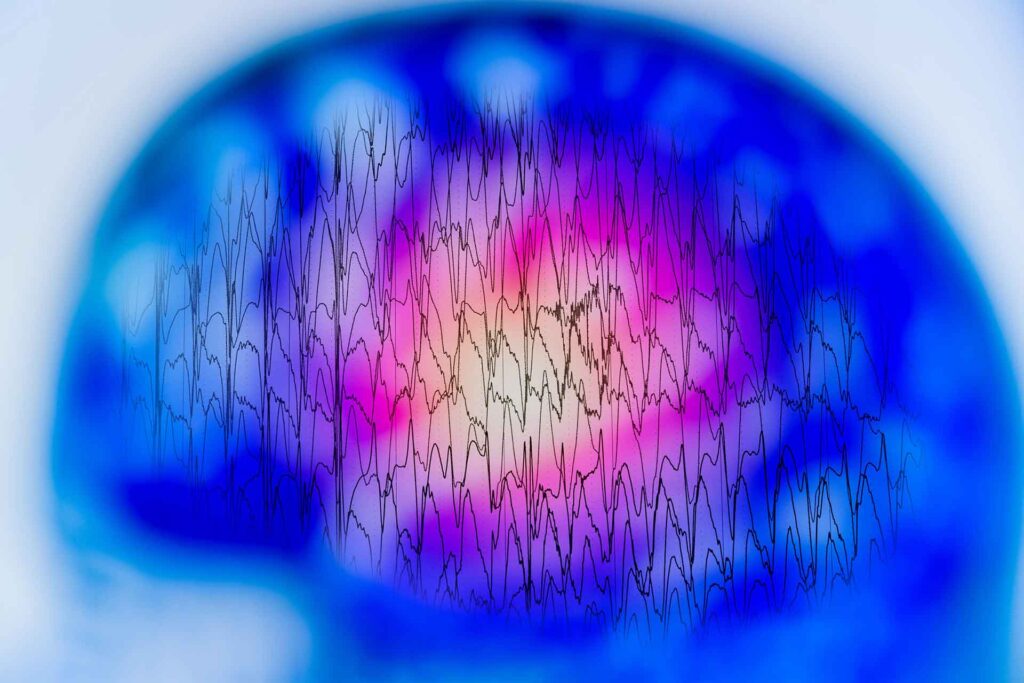
During epilepsy, the person engages in seizures, abnormal behaviors, loss of sensation and awareness. It affects brain activity.
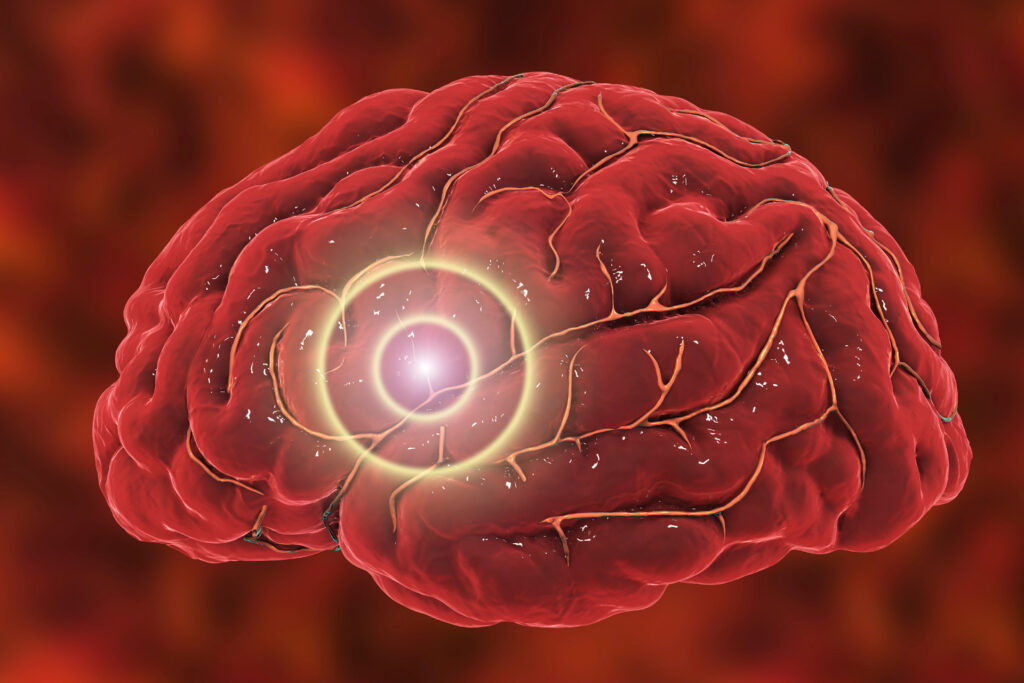
A stroke is a brain injury caused by a blocked or burst blood vessel in the brain. The consequences vary depending on its location in the brain.
Parkinson’s disease leads to a lack of body movement tremors, muscle rigidity and slowing of the voluntary movements.
Traumatic brain injuries affect brain functions such as speech, language, motor skills, cognitive and emotional abilities.
Frontotemporal Neurocognitive Disorder affect one’s personality, behavior, language, mental abilities and memory.
Alzheimer’s disease disturbs cognitive abilities such as thinking, social skills and behaviors thus affecting independence.
Conduct disorder is a repetitive and persistent behavioral and emotional problem, mostly found in oppositional children and teens.
Body schema disorder is the misunderstanding of one’s body parts and positioning in relation to each other and in space.
Difficulties in motor skills disturb a child’s coordination and affect age-appropriate milestones.
Motor disorders are described as involuntary or uncontrollable movements or actions of the body.
Dyscalculia affects the areas of arithmetic and mathematics.
Dysgraphia is a learning disorder that affects the written language skills.
Dyslexia affects the child’s ability to read, write and spell.
ADD represents difficulties in maintaining attention over a period of time. ADHD includes hyperactivity, in addition to inattention and impulsivity.
A Social Communication Disorder affects the understanding of social situations and the use of appropriate form of communication for verbal and nonverbal language.
ASD includes difficulty in social communication and interaction along with restricted and repetitive behaviors and interests in activities.
Fluency Disorders are observed in repetition of sounds, syllables, or words, prolongation of sounds and interruptions in speech.
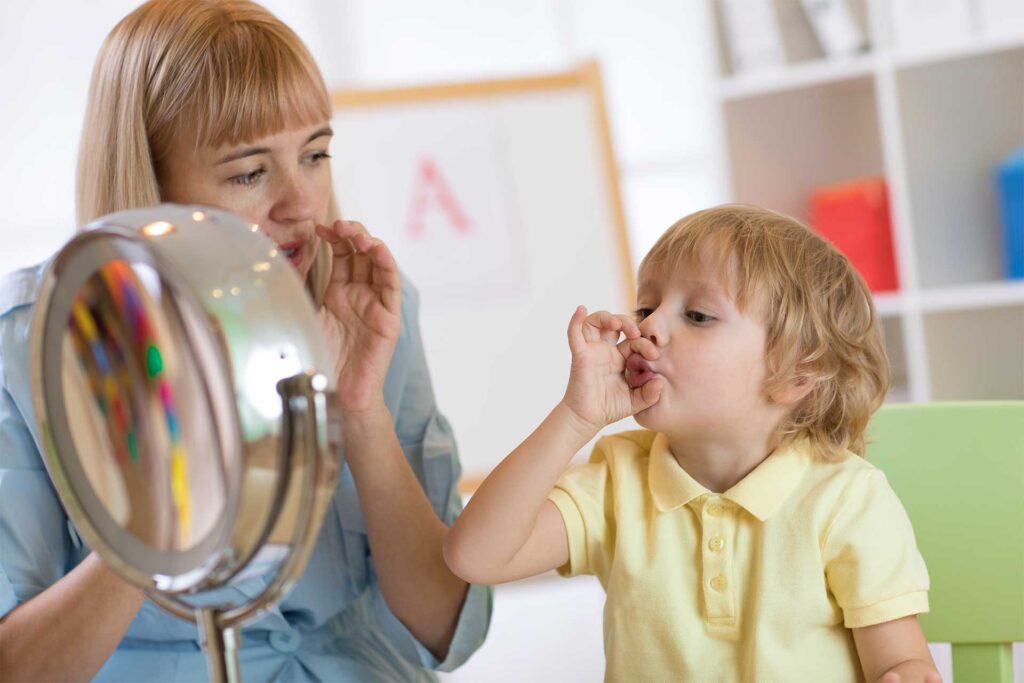
Speech Sound Disorders describe a child’s difficulty in producing the sound pattern of the language.
Language disorders affect a person’s ability to express and understand the spoken and written language.
The psychological assessment covers the behavioral, social and emotional aspects while evaluating: behavior; personality; social skills; emotional Intelligence; family dynamic; couple dynamic
Neurological disorders emphasis on issues related to brain, spinal cord, and nervous system. These disorders can be acquired or developed due to brain injuries. They impact the nervous system and the cognitive abilities of the person.
Therapy targeting neurodevelopmental conditions such as communication, motor or specific learning disorders, ADD/ADHD and Autism.
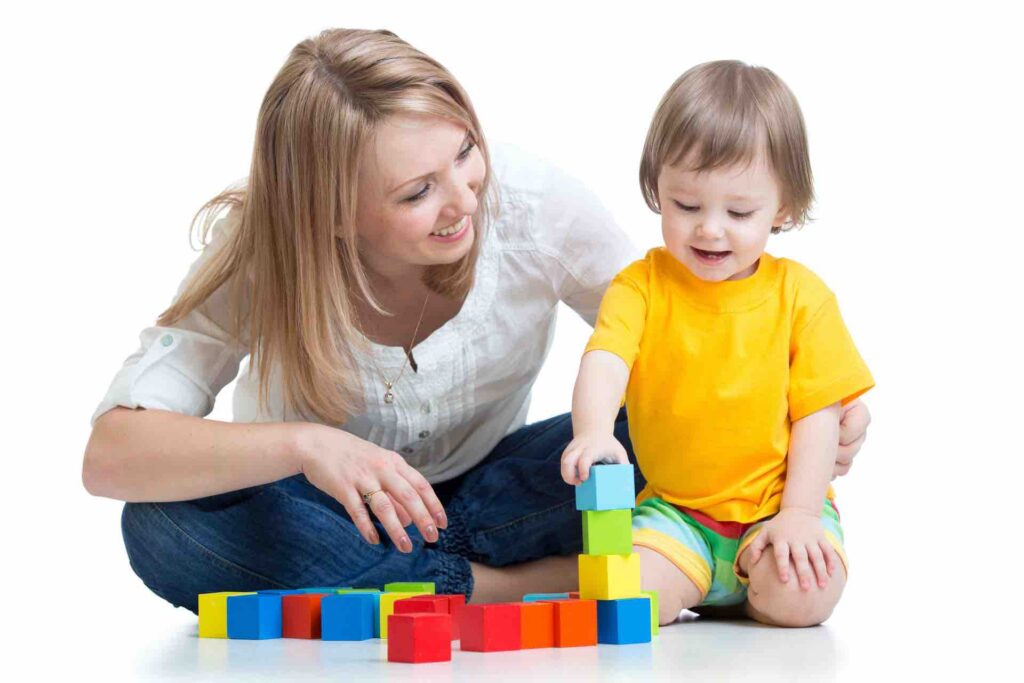
Early years of a child’s life are the most important for building strong language and social skills.
Evaluation of the brain’s capacities: attention and executive functions.
Deals with behavioral treatment for children below six who suffer from fluency disorder /stuttering.
LSVT is a therapy program used for Parkinson’s disease (PD) and other neurological conditions.
Difficulty in the ability to identify , understand and comprehend verbal, nonverbal and graphical signs for communication.
Emphasis on maladjusted emotional reactions that are inappropriate or disproportionate to the situation.