




Couple therapy aims to open channels of communication, generate respect for individual differences and enable both individuals to take up responsibilities.

Eating Disorders are issues related to distressing thoughts and behavior around body weight or shape, leading to unhealthy eating habits or obsession with food.

Family therapy targets communication in order to solve family problems and create a healthy, functioning home environment.
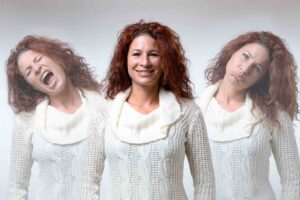
A Mood disorder is defined by extreme happiness, extreme sadness, or both for an extended period of time.

A person with OCD suffers from an obsessive thought process or sensation creating an urge to make compulsive repeated actions.

PTSD is a psychiatric disorder that occurs in people who went through traumatic events that affects the mental wellbeing.

Sleep disorders affects the person’s sleeping pattern, interfering with the required amount of sleep.

Following a traumatic event, a person may develop an Acute Stress Disorder (ASD).
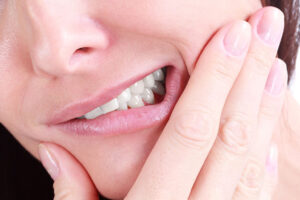
Orofacial myofunctional disorders disturb the tongue position during rest, swallowing, and speech.

Stuttering (التأتأة), also known as stammering (التلعثم), is a speech disorder (اضطراب في النطق) that causes interruptions in the flow of speech, such as repetitions, prolongations, or blocks of sounds, words, or phrases. It can
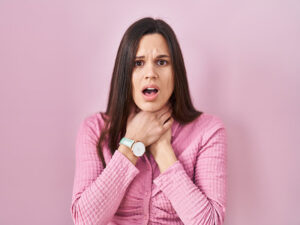
A voice disorder is a vocal discomfort that affects the quality of the voice.
Couple therapy aims to open channels of communication, generate respect for individual differences and enable both individuals to take up responsibilities.
Eating Disorders are issues related to distressing thoughts and behavior around body weight or shape, leading to unhealthy eating habits or obsession with food.
Family therapy targets communication in order to solve family problems and create a healthy, functioning home environment.
A Mood disorder is defined by extreme happiness, extreme sadness, or both for an extended period of time.
A person with OCD suffers from an obsessive thought process or sensation creating an urge to make compulsive repeated actions.
PTSD is a psychiatric disorder that occurs in people who went through traumatic events that affects the mental wellbeing.
Sleep disorders affects the person’s sleeping pattern, interfering with the required amount of sleep.
Following a traumatic event, a person may develop an Acute Stress Disorder (ASD).
Orofacial myofunctional disorders disturb the tongue position during rest, swallowing, and speech.
Stuttering (التأتأة), also known as stammering (التلعثم), is a speech disorder (اضطراب في النطق) that causes interruptions in the flow of speech, such as repetitions, prolongations, or blocks of sounds, words, or phrases. It can
A voice disorder is a vocal discomfort that affects the quality of the voice.
Couple therapy aims to open channels of communication, generate respect for individual differences and enable both individuals to take up responsibilities.
Eating Disorders are issues related to distressing thoughts and behavior around body weight or shape, leading to unhealthy eating habits or obsession with food.
Family therapy targets communication in order to solve family problems and create a healthy, functioning home environment.
A Mood disorder is defined by extreme happiness, extreme sadness, or both for an extended period of time.
A person with OCD suffers from an obsessive thought process or sensation creating an urge to make compulsive repeated actions.
PTSD is a psychiatric disorder that occurs in people who went through traumatic events that affects the mental wellbeing.
Sleep disorders affects the person’s sleeping pattern, interfering with the required amount of sleep.
Following a traumatic event, a person may develop an Acute Stress Disorder (ASD).
Orofacial myofunctional disorders disturb the tongue position during rest, swallowing, and speech.
Stuttering (التأتأة), also known as stammering (التلعثم), is a speech disorder (اضطراب في النطق) that causes interruptions in the flow of speech, such as repetitions, prolongations, or blocks of sounds, words, or phrases. It can
A voice disorder is a vocal discomfort that affects the quality of the voice.