

Practical strategies for creating behavior contracts and establishing stress-free morning routines that set your family up for success.
The start of a new year offers a wonderful opportunity to establish better habits and routines for the whole family. Whether your child struggles with organization, following directions, or simply getting out the door on time, small changes can make a big difference.
At Talking Brains Center, our psychotherapists and psychomotor therapists in Dubai work with families to develop practical strategies that support positive behavior changes. One of the most effective tools we recommend is the behavior contract, a structured agreement that sets clear expectations and rewards.
A behavior contract helps children understand their responsibilities while giving them a sense of control over their actions and outcomes. When children participate in creating the agreement, they feel more invested and are more likely to follow through.
Include Your Child in the Process: When kids help create the contract, they take ownership of the goals. Ask for their input on which behaviors to target and what rewards would motivate them.
Start Small: Focus on one or two behaviors at a time to avoid overwhelming your child. Success with small goals builds confidence for bigger challenges.
Define Clear Steps: Instead of vague goals like “Be honest,” outline specific strategies for being truthful in different situations.
Schedule Check-Ins: Review the contract together regularly, discuss progress, celebrate wins, and adjust expectations as needed.
Have your child take a bath, choose their clothes, and pack their school bag in the evening. Review the next day’s schedule together to eliminate morning surprises. Prepare lunches and set the breakfast table ahead of time.
Give yourself extra time in the morning to get ready before helping your child. A calm, unhurried start helps reduce stress for everyone.
Instead of a loud alarm, use soft music or a favorite song. A warm hug or the promise of a favorite breakfast can make mornings more inviting for reluctant risers.
Keep the morning schedule consistent: wake up, wash face, eat breakfast, get dressed, brush teeth, and check the schedule before leaving. Visual schedules with pictures help younger children stay on track independently.
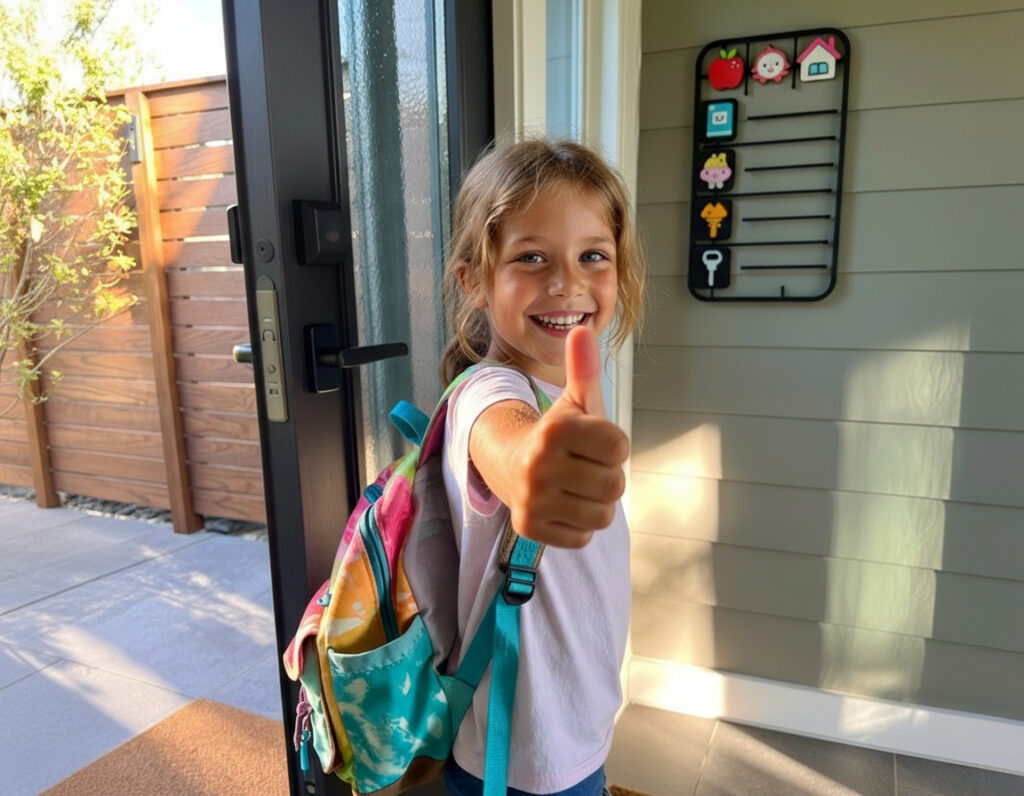
Designate spots for school supplies, coats, and bags to avoid last-minute searches. Labeled bins or hooks keep everything visible and accessible.
Place clocks in visible areas like bedrooms, the kitchen, and hallways. Give time reminders such as “In five minutes, we put on shoes” to help children transition between tasks.
Encourage your child to use a checklist to ensure they have everything before leaving. Younger kids can use a fun phrase or song to remember essential items like “Keys, phone, wallet, snack!”
If your child finishes getting ready on time, use the extra minutes for a short fun activity like reading together or playing a quick game. Positive reinforcement encourages them to stick to the routine.
If your child struggles with organization, following routines, or managing behavior, our psychologists and occupational therapists can help. We create personalized strategies tailored to your child’s unique needs.
Book a Free Consultation📞 +971 55 896 7482 | ✉️ info@talkingbrainscenter.com